



Want to get rid of those pesky acne scars but not sure which aesthetic treatment to choose? This comprehensive guide to acne scar treatment has all the answers! From the causes of the three types of depressed scars (ice-pick, boxcar, and rolling) to nine treatment options—including picosecond laser, CO₂ fractional laser, and subdermal peeling—and the types of acne scars they’re suitable for, as well as post-treatment care tips, read this article to learn everything you need to know in one place!
Articles
What are acne scars? How are they different from acne marks?
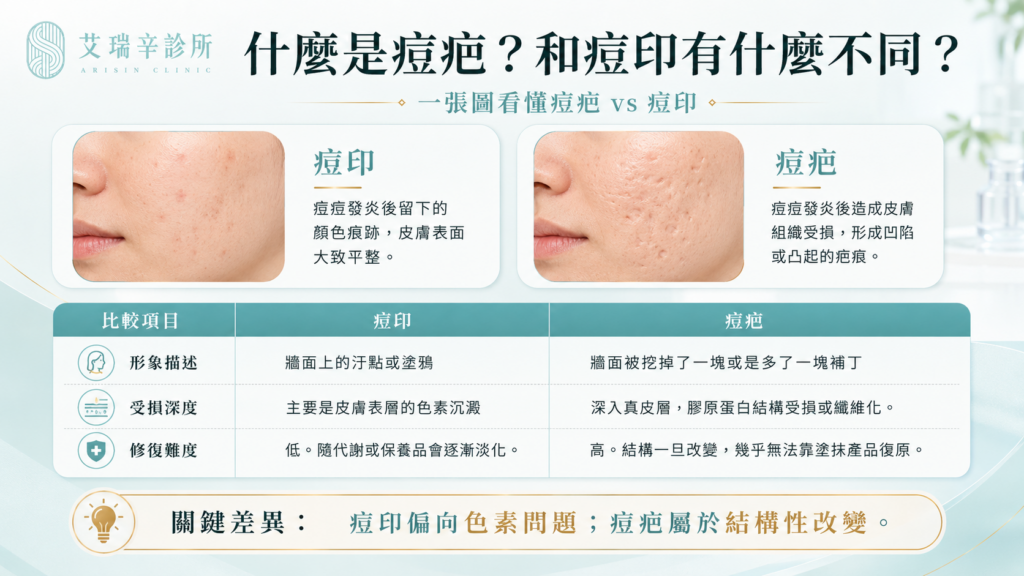
The Difference in Definitions Between Acne Scars and Acne Marks
Simply put, acne scars are a “structural issue” resulting from inflammation caused by acne, while acne marks are a pigmentation issue:
| Acne Scars | Acne Scars | |
| Description of the Character | Stains or graffiti on the walls | A section of the wall has been removed, or a patch has been added |
| Depth of Damage | It is primarily pigmentation in the outer layer of the skin | Deep within the dermis, the collagen structure is damaged or fibrosed. |
| Repair Difficulty | Mild. It will gradually fade with metabolism or the use of skincare products. | High. Once the structure is altered, it is nearly impossible to restore it by applying products. |
Why don't acne scars fade on their own?
When acne becomes severely inflamed, or when external pressure damages the dermis, the skin’s repair mechanism malfunctions:
- Collagen Breakdown: Severe inflammation can damage the skin's collagen,
- Pulling by Fibrotic Tissue: During the healing process, the skin produces tough but inelastic fibrous tissue that pulls down on the epidermis like ropes. This is why depressed scars always appear uneven and won’t disappear no matter how much skincare you apply.
- Limitations on Regenerative Capacity: The skin’s ability to repair itself has its limits; once the depth of the injury exceeds one-third of the dermis, it is difficult for the skin to spontaneously return to its original smooth condition.
Under what circumstances is medical aesthetics absolutely necessary?
Acne scars caused by severe inflammation sometimes cannot be eliminated through home care alone. If you experience any of the following conditions, it is recommended that you consult a dermatologist:
- Noticeable textural irregularities: When you touch your facial skin with your hand, you can feel distinct pits or lumps, rather than just a difference in skin tone.
- Impact on Self-Confidence: If acne scars affect your self-confidence or social life, we recommend seeking treatment through medical aesthetics, as it offers better results more quickly.
- Acne scars that haven’t faded after more than six months: Under normal metabolic processes, typical pigmentation typically fades within about 3 to 6 months. If it hasn’t faded after more than six months, it indicates that the pigment is too deep or that tissue damage is present.
- "Wavy" skin: This indicates that the fibrous bundles beneath the skin are pulling downward; laser treatment may be needed to break down the tissue, allowing the skin to regenerate collagen and fibers.
Causes of Acne Scars
How Does the Inflammatory Response Damage Skin Structure?
Acne is caused by inflammation resulting from an overgrowth of Propionibacterium acnes. As white blood cells fight off the bacteria, they also break down collagen, causing the supporting structure to break down and form indentations.
Published in 2017 in*The Journal of Clinical and Aesthetic Dermatology*A study published in *[Journal Name]* points out that acne scars are an abnormal reaction following skin inflammation and repair; for example, in common depressed acne scars, a reduction and breakdown of collagen in the dermis can be observed at the scar site.
Why Is Popping Pimples the Most Common Cause of Scars?
When you apply pressure to a pimple with your finger, the force doesn’t just push outward—it mostly pushes inward. This causes the wall of the inflamed hair follicle to rupture, pushing bacteria and pus into the dermis. Not only does this extend the area of inflammation downward, but it also creates an irregular wound in the epidermis—a type of wound that heals more slowly than one that heals naturally and is prone to leaving behind stiff, fibrotic tissue.
The Impact of Skin Type and Constitution on Scar Formation
Some people have fibroblasts that are overly active, making them prone to keloids; in addition,examineIt has also been found that people with darker skin tones are more prone to acne scars.
Why is it more likely to leave scars if acne goes untreated for too long?
The longer acne remains on the face, the longer the skin remains inflamed. To protect itself, the skin produces abnormally hardened fibrous tissue. Once this tissue has set, the only way to break it down and rebuild the skin is through medical aesthetic laser treatments. Therefore, if acne is treated early and inflammation is prevented from persisting, the likelihood of it developing into permanent pitted scars can generally be reduced.
A Comprehensive Classification of Acne Scars
According to the journal*Frontiers in Medicine*According to this theory, acne scars can be classified into three types based on their shape and depth: atrophic scars (which can be further divided into ice-pick, boxcar, and rolling scars), hypertrophic acne scars (raised acne scars), and hyperpigmented acne scars. Among these, atrophic acne scars account for 75% to 90% of all acne scars.
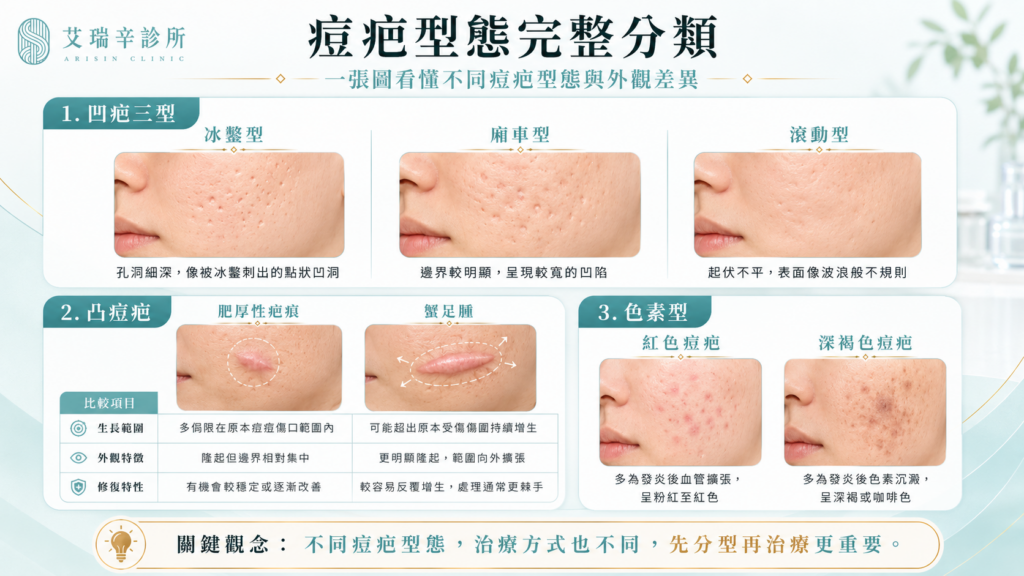
Three Types of Indentations: Chisel-Type, Box-Type, and Rolling-Type
- Ice-pick acne scars: These are V-shaped depressions with a diameter of less than 2 mm that form beneath the skin and extend into the reticular dermis or subcutaneous tissue; they account for approximately 60% to 70% of all atrophic acne scars.
- Boxcar-type acne scars: Well-defined oval or rectangular depressions, 0.1–0.5 mm deep, accounting for approximately 20% to 30%.
- Rolling acne scars: The skin appears to have bowl-shaped or wavy undulations with indistinct borders, while beneath the skin there are broad depressions; these account for approximately 15% to 25% of cases.
Raised Acne Scars: The Difference Between Hypertrophic Scars and Keloids
Although both are visually "protruding" red muscle tissue, they are quite different:
- Hypertrophic scars: These are raised acne scars that are generally confined to the area where the acne was originally inflamed and do not tend to spread outward. Over time, they may flatten slightly and change color, and they can occur anywhere on the face.
- Keloids: This condition is caused by a genetic predisposition that leads fibroblasts to secrete large amounts of growth factors when the skin is damaged and heals. As a result, the newly formed tissue extends beyond the original acne lesion and may gradually grow larger over time; it rarely shrinks on its own. Keloids commonly occur on the lower jaw.
Pigment-Related: Red Acne Scars vs. Dark Brown Acne Scars
In fact, pigmented acne scars aren’t actually true acne scars; rather, they are a pigmentary reaction following acne inflammation. They can generally be divided into red acne scars and dark acne scars, and the two often appear together:
- Red Acne Scars: When a pimple becomes inflamed, the local capillaries dilate or proliferate to repair the tissue. Once the pimple heals, if these blood vessels do not constrict in a timely manner, they become red spots visible to the naked eye.
- Dark brown acne scars: The inflammation caused by acne triggers the skin’s self-defense mechanism, leading melanocytes to secrete large amounts of melanin to protect the damaged area. Once the inflammation subsides, the melanin remains in the skin, resulting in light brown, dark brown, or even purplish-black acne scars.
Mixed Acne Scars: What to Do When You Have Multiple Types of Scars at the Same Time?
If you have multiple types of acne scars on your face, your doctor will adopt a combination treatment strategy. Common approaches include subcutaneous peeling combined with UP laser for severe depressed scars, and collagen-stimulating agents for fine depressed scars, and red or dark acne scars with picosecond or dye lasers. The key is to treat each type in separate sessions to achieve the greatest possible improvement.
Some doctors will first perform a single laser treatment (such as fractional laser, picosecond laser, CO₂ laser, or Nd:YAG laser) to assess the reaction of the acne scars and the skin, and then decide on the treatment strategy for the next session; therefore, this approach relies heavily on the doctor’s experience.
Aesthetic Treatments Suitable for Different Types of Acne Scars
As you can see from the above introduction, acne scars can generally be divided into three types. The underlying causes for each type of acne scar are different, so the treatment methods naturally vary as well.ARISIN ClinicList the most common acne scar treatments currently available and the corresponding types of acne scars.
The Logic Behind Scar Treatment: Focusing on Reconstructing Skin Structure
Scars are caused by a collapse of the dermal layer, so treatment focuses on rebuilding the skin’s structure to smooth out the skin’s surface:
- Subcutaneous dissection: Using a special needle to sever the subcutaneous fibrous bundles; this is the standard treatment for rolling scars.
- Laser: Uses laser energy to break down fibrotic tissue while stimulating the skin's natural healing process.
- Dermal fillers: Since the skin has become indented, the best approach is to fill in the depressions; therefore, the treatment of acne scars also includes dermal fillers,*Journal of Cosmetic Dermatology*It is noted that possible options include collagen, hyaluronic acid, or poly-L-lactic acid and di-L-lactic acid, which can stimulate the body to produce collagen.
However, fillers are mostly used as an adjunct to reconstruction; for example, injecting dermal fillers after laser treatment or subcutaneous peeling may yield better results than using just one method alone.
Treatment Approach for Keloids: Focus on Inhibiting Fibroblast Proliferation
Raised scars (hypertrophic scars, keloids) result from excessive skin repair; therefore, to inhibit tissue proliferation, the following methods are commonly used:
- Steroid Injections: Steroids and other medications are injected directly into the scar tissue to reduce inflammation, soften the fibrous tissue, and cause it to shrink and flatten.
- Destruction of Blood Vessels: Using a dye laser to destroy blood vessels and prevent raised acne scars from receiving additional nutrients can effectively reduce the size of the scars and fade redness.
Treatment Approach for Pigmented Acne Scars: Focus on Metabolism and Tightening
The key issue with pigmented acne scars is hyperpigmentation; common treatments include laser therapy and chemical peels:
- Break down melanin and accelerate its metabolism
- Picosecond laser: Utilizes the photomechanical effect to break down melanin into a powder-like substance, making it easier for the body to metabolize.
- Skin Rejuvenation Laser: The photothermal energy from the skin rejuvenation laser breaks down pigment, helping to improve post-inflammatory hyperpigmentation.
- Constriction of microvessels
- Intense Pulsed Light (IPL): It covers a wide range of wavelengths; shorter wavelengths are absorbed by hemoglobin, causing microvessels to constrict, which helps treat red acne scars and improve skin tone evenness.
- Dye Laser: Specifically designed to target bright red telangiectasias, it destroys blood vessels and prevents new blood vessel growth, making it highly effective against red acne scars.
- Alpha-hydroxy acid peel: A high-concentration solution of alpha-hydroxy acid or mandelic acid is applied to force the exfoliation of epidermal cells, removing melanin from the epidermis and inhibiting its regeneration; however, this treatment is not effective for red acne scars.
Overview of Each Treatment and Corresponding Scar Types
There are many types of acne scars, ranging from superficial discoloration to deep fibrosis and scarring. Each type of scar requires a completely different energy depth and treatment mechanism. So, which treatment is best for which type of acne scar? Don’t worry—Arixin Clinic provides an in-depth analysis.
Fractional Laser: Treatment for Superficial to Medium-Depth Scars
- Best suited for: Acne scars on the face.
- Reason: By using micrometer-level thermal energy to create microscopic wounds, this method is suitable for treating indentations with distinct borders and moderate depth; it can smooth out the edges of scars, resulting in a visually smoother appearance.
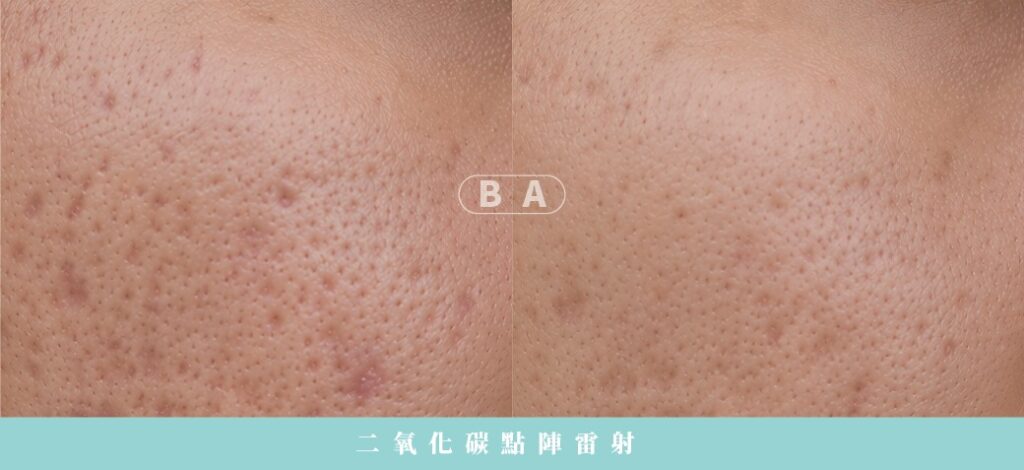
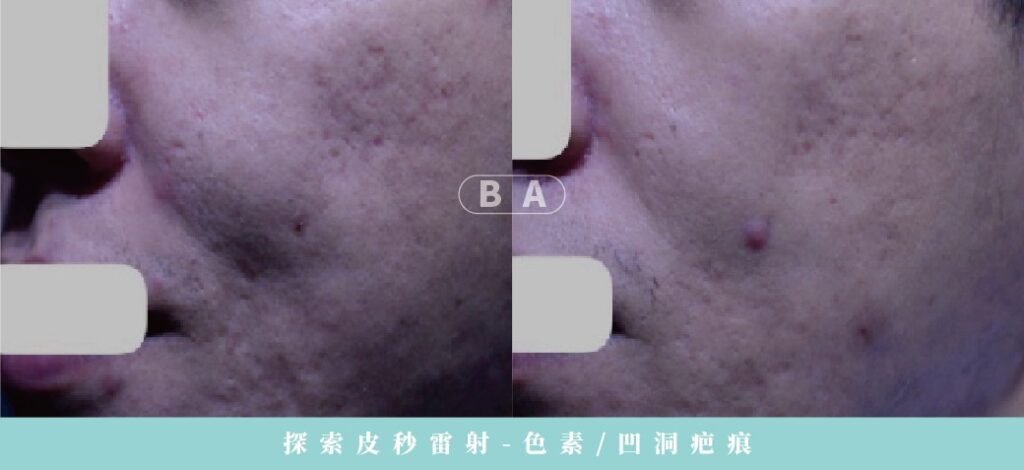
Picosecond Laser: The Top Choice for Pigmented Acne Scars and Mild Indented Scars
- Best suited for: dark brown acne scars (PIH) and shallow indented scars.
- Reason: Light shockwaves break down melanin, effectively treating dark brown acne scars caused by pigmentation. When combined with the “Honeycomb/Gold Lens,” the resulting cavitation effect can micro-resculpt the skin, making it suitable for people who want to avoid a long recovery period and have relatively shallow scars.
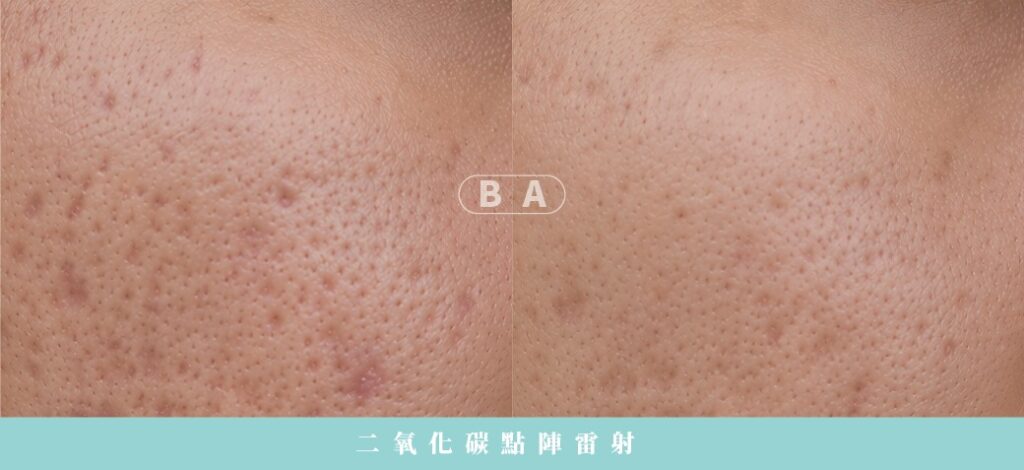
Carbon Dioxide Fractional Laser: Deep Scar Resurfacing
- Best for: Deep pitted acne scars, ice-pick acne scars
- Reason: The energy beam penetrates deep into the dermis, vaporizing fibrotic tissue and creating microscopic wounds that stimulate collagen regeneration. This is a common method for treating hard, deep pits.
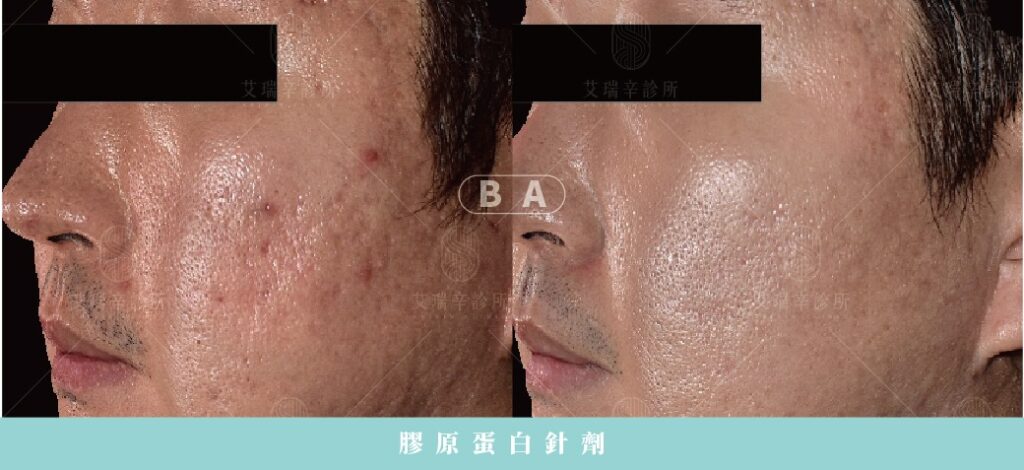
Collagen Injections: Suitable for all types of depressed acne scars (especially rolling scars)
- Best for: All types of pitted acne scars.
- Reason: Injectable fillers are used to reconstruct and lift sunken areas from the underlying layers, making them suitable for various types of depressed acne scars or for smoothing out wavy skin contours. Examples include AestheFill, Ellansé (Ellansé), Sculptra, Juvelook, and other commonly used fillers.
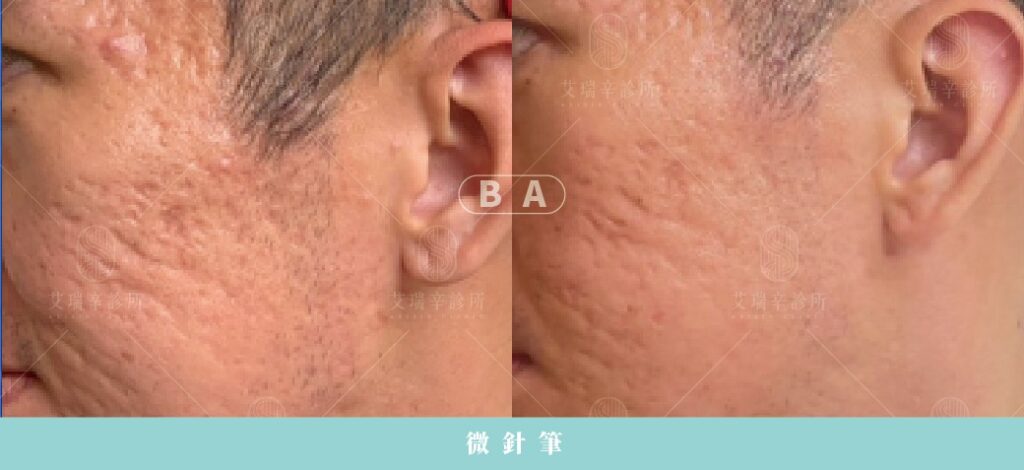
Microneedle Pen:Superficial Scars and Pore Refinement
- Best for: Shallow pits and rough skin.
- Reason: Microneedling is a technique that uses fine needles to create tiny holes in the skin, which stimulates skin tissue regeneration and promotes the production of collagen and elastin. A 2019 study published in*Journal of Cosmetic and Laser Therapy*Studies on microneedling for acne scars indicate that microneedling is effective for treating atrophic acne scars, particularly shallow boxcar scars, and yields even better results when combined with chemical peels (such as Jessner’s solution).
PLT Cryostats:Adjunctive Treatment for Various Types of Persistent Acne Scars
- Best suited for: Slow healing that requires support from a combination of treatments.
- Reason: PLT cryoprecipitate is a highly concentrated platelet-derived growth factor derived from the patient’s own blood. It accelerates wound healing and promotes collagen production. It is typically used in conjunction with laser or microneedling treatments to help speed up repair, fill in indentations, and improve skin texture.
Subcision: Physical Release of Rolling Acne Scars
- Best for: Severe rolling acne scars
- Reason: Rolling-type acne scars have more downward-pulling fiber bundles than boxcar-type or ice-pick scars, so a special blunt or sharp needle is used to sever and peel away the downward-pulling tissue, allowing the skin to rebound upward. Combined with radiofrequency to promote collagen regeneration, this is a common method for treating deep pitted scars.
TCA Cross Chemical Reconstruction: Specifically Designed for Ice-Chisel-Type and Deep Scars
- Best for: Ice-pick acne scars.
- Reason: TCA CROSS (Trichloroacetic Acid Chemical Reconstruction) The concept is similar to “starting over from scratch.” The doctor applies a high concentration of trichloroacetic acid to specific areas to break down acne scar tissue and promote tissue regeneration. The advantages include precise treatment, relatively low cost, and the ability to treat deeper acne scars.
Steroid Injections: Hypertrophic Scars and Keloids
- Best for: Raised acne scars.
- Reason: Steroids can suppress inflammation and inhibit tissue proliferation, making them the treatment of choice for raised acne scars.
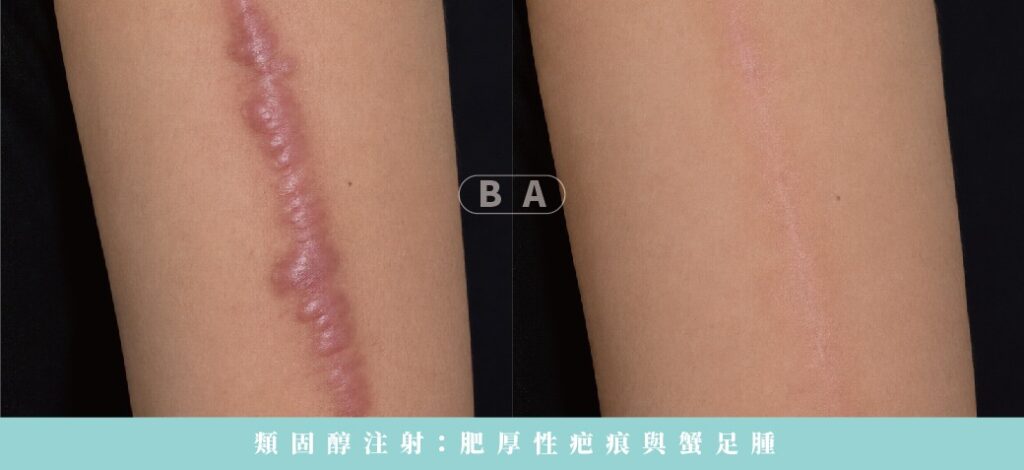
Acne Scar Treatment and Type Comparison Chart
At Arixin Clinic, we offer a variety of treatment options tailored to different types of acne scars. The table below summarizes the characteristics and recommended candidates for each of the main treatment options, so you can determine the most suitable treatment approach for you before your consultation.
| Treatment Plan | Suitable Scar Types | Key Role |
| Shuttle Laser | Mid-to-Shallow-Draft Cabin-Style Vessels | Smooth out the edges to create a visually even skin texture. |
| picosecond lasers | Pigmented, Superficial Depressed Scars | Light shockwaves break down melanin, and the honeycomb pattern gently resurfaces the skin. |
| Carbon Dioxide Array | Deep-body van, Ice-chisel type | Vaporizes deep-layer fibrous tissue, powerfully stimulating collagen regeneration |
| Collagen Injections | Various types of dents (especially rolling dents) | Fill in the hollow area from the bottom up. |
| Steroid Injections | Raised Acne Scars | It reduces inflammation, prevents tissue overgrowth, and flattens raised scars. |
| Microneedle Pen | Shallow pits, enlarged pores | Minimally invasive physical micro-perforations trigger the skin's self-repair process |
| PLT Cryostats | People with stubborn cases who recover slowly | Autologous growth factors are used to accelerate healing and are often used as an adjunct to laser therapy. |
| Subcutaneous Dissection | Rolling Acne Scars | The procedure involves cutting the downward-pulling fiber bundles to allow the tissue to spring back. |
| TCA Cross | Ice-pick scars, deep scars | High-concentration acid is applied topically to "start from scratch" and precisely reconstruct tissue. |
Assessment and Preparation Before Acne Scar Treatment
How Doctors Determine Your Scar Type and Severity
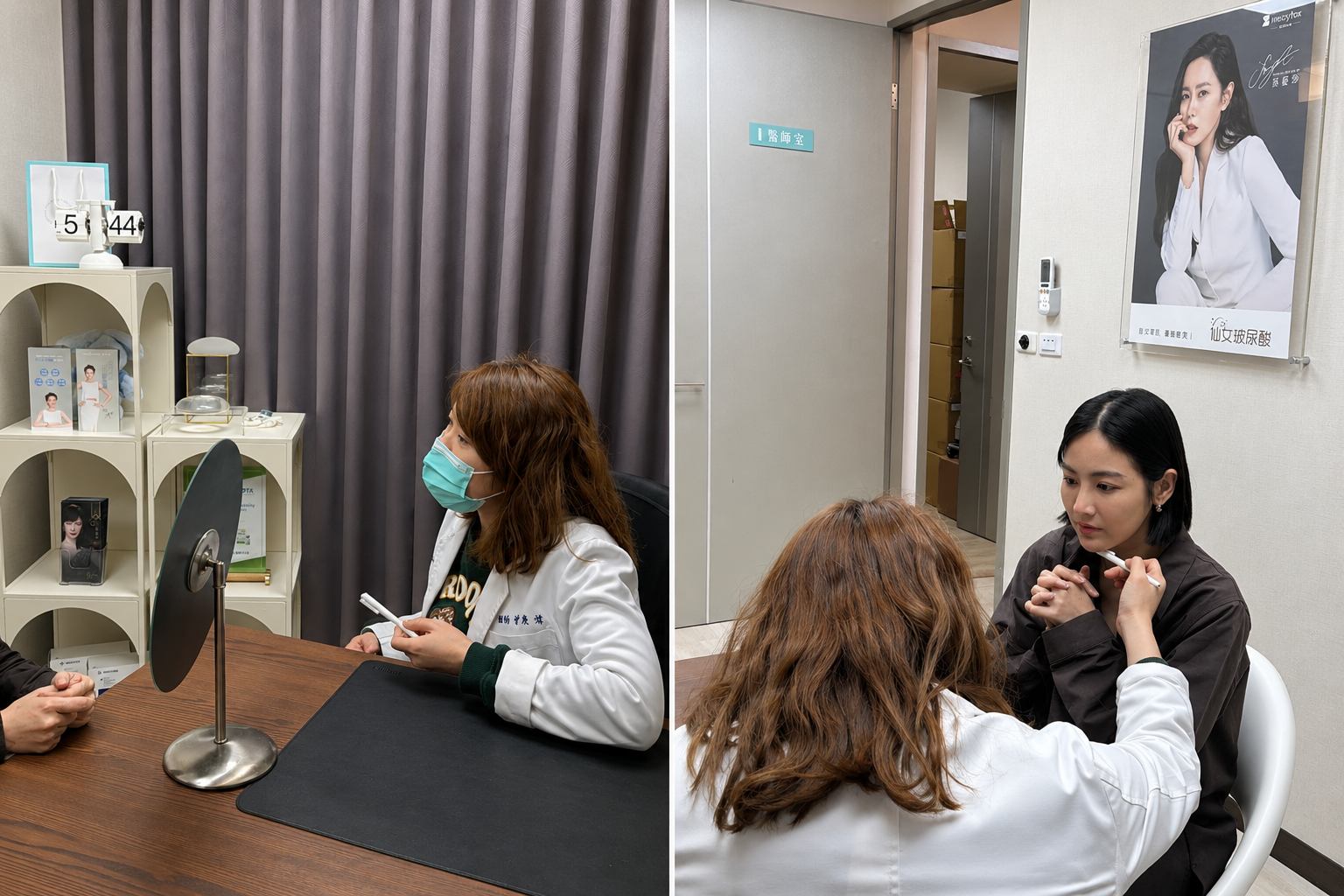
The doctor will first determine whether the scar is raised or depressed. If it is a depressed scar, the doctor will further assess which type of acne scar it is. For example, the doctor may gently pinch the skin; if the skin does not lift when pinched, it is highly likely to be a rolling acne scar.
Do I need to control oil and acne before treatment?
Yes. If the acne is still inflamed, using a high-energy laser at this stage could trigger more severe inflammation—or even cause a breakout—due to the intense heat, and it would also increase the risk of hyperpigmentation. Therefore, acne scar treatment is typically scheduled for the stable phase after the acne has been treated and the inflammation has subsided.
How long does the treatment plan take, and how many sessions are required?
For laser treatments, an average of 3 to 6 sessions is typically required. However, each person’s situation is different; some people heal more slowly, while others—particularly those with complex scars—may require a longer collagen growth cycle to achieve the desired filling effect.
In addition, smoking, staying up late, or failing to use adequate sun protection can all reduce the skin’s ability to repair itself, resulting in a longer treatment duration and a greater number of sessions required.
Key Points for Aftercare Following Acne Scar Treatment
After laser treatment or subcutaneous peeling, the skin is in a critical phase of regeneration, and the skin barrier is extremely fragile; therefore, your skincare routine will determine the final outcome of acne scar treatment.
Critical Care During the First 72 Hours After Surgery
- Cooling and Soothing: If you experience redness, swelling, heat, or pain on the day of the procedure, you may apply intermittent ice packs as directed by your doctor.
- Minimal Cleansing: For the first 24 hours, it is recommended not to wash your face or to gently pat it with saline solution. For the first 72 hours, avoid using any facial cleansers; simply splash your face with cool water to avoid rubbing the tiny, newly formed wounds.
- Keep your skin well-moisturized: After acne scar treatment, your skin’s ability to retain moisture decreases. We recommend using a moisturizer with simple ingredients such as ceramides, centella asiatica, and vitamin B5. Apply it in thin layers multiple times to keep your skin hydrated, while avoiding clogging pores.
Why Is Sun Protection the Most Important Step After Surgery?
Laser treatment for acne scars causes minor tissue damage, which leads to an increase in melanin. If this is combined with UV exposure, the skin will produce even more melanin as a protective response, making hyperpigmentation more likely. Therefore, it is essential to use sunscreen.
List of No-No's During Treatment
- Using skincare products containing acids: Avoid retinoic acid, salicylic acid, and high-concentration vitamin C for 2 weeks after the procedure.
- High-Temperature Triggers: Avoid hot springs, saunas, steam rooms, or strenuous exercise that causes heavy sweating for one week after surgery. High temperatures can cause microvascular dilation, which may exacerbate red acne scars.
- Picking at scabs with your fingers: If there are small scabs, do not pick at them with your fingers. Removing scabs prematurely can damage the underlying skin and easily lead to permanent hyperpigmentation.
- Over-exfoliation: During the treatment, the skin’s renewal rate is already accelerated. Using a facial cleansing device or scrub will further speed up the exfoliation process, making the skin even more delicate.
Frequently Asked Questions FAQ

Can acne scars be completely removed?
It's difficult. No matter which cosmetic procedure you choose, it's unlikely to make acne scars disappear completely and leave your skin looking brand-new, but it can make them less noticeable and leave your skin relatively smooth.
How many sessions of acne scar treatment are needed to see results?
Typically, laser treatment requires 3 to 6 sessions. However, if your skin heals more slowly due to natural factors—such as advanced age, reduced cellular activity compared to adolescence, or deep acne scars—the number of sessions may need to be increased.
If both “ice-pick” and “roller” scars are present, a single laser treatment may not be sufficient; it may be necessary to alternate between different procedures (such as subcutaneous excision combined with UP laser), which could extend the overall treatment course to 6–10 sessions.
If new pimples appear during treatment, can I continue the treatment?
That’s possible, but the doctor will need to adjust the treatment strategy. If there are only a few scattered pimples, the doctor will avoid the inflamed areas during the laser treatment; however, if you’re experiencing a major breakout, the doctor will prioritize controlling the inflammation and treating the acne rather than removing the acne scars.
Can depressed and raised scars be treated at the same time?
Yes. Simply put, depressed scars require tissue regeneration, while raised scars require growth suppression; these two treatment approaches are not mutually exclusive, but this depends on the physician’s expertise. For example, depressed scars may be treated with high-energy lasers or subcutaneous peeling, while raised scars may be treated with steroid injections or the UP laser, which can treat both depressed and raised scars simultaneously.
Is “subcutaneous dissection” a surgical procedure? Is it dangerous?
Subcutaneous release is a minimally invasive procedure in which a special needle is inserted into the dermis to manually sever the fibrous bands pulling down on the epidermis. The procedure carries very low risk; most people experience only localized bruising, which typically fades after about one week.
Say Goodbye to Stubborn Acne Scars for Good: Arixin Clinic—Taichung’s Top Choice for Acne Scar Treatment—Restore Smooth, Radiant Skin
To completely say goodbye to stubborn acne scars, you need more than just laser treatment—you need a comprehensive evaluation and a combination of treatments. The doctors at Arixin Clinic have many years of experience treating acne scars. They specialize in precise assessments and tailor treatment plans to each individual’s needs and budget, helping every inch of skin regain its natural smoothness and radiance.
Give your skin a chance to rejuvenate today. Let Arixin Clinic create a personalized, precision scar-removal plan just for you, and start a new life filled with confidence.