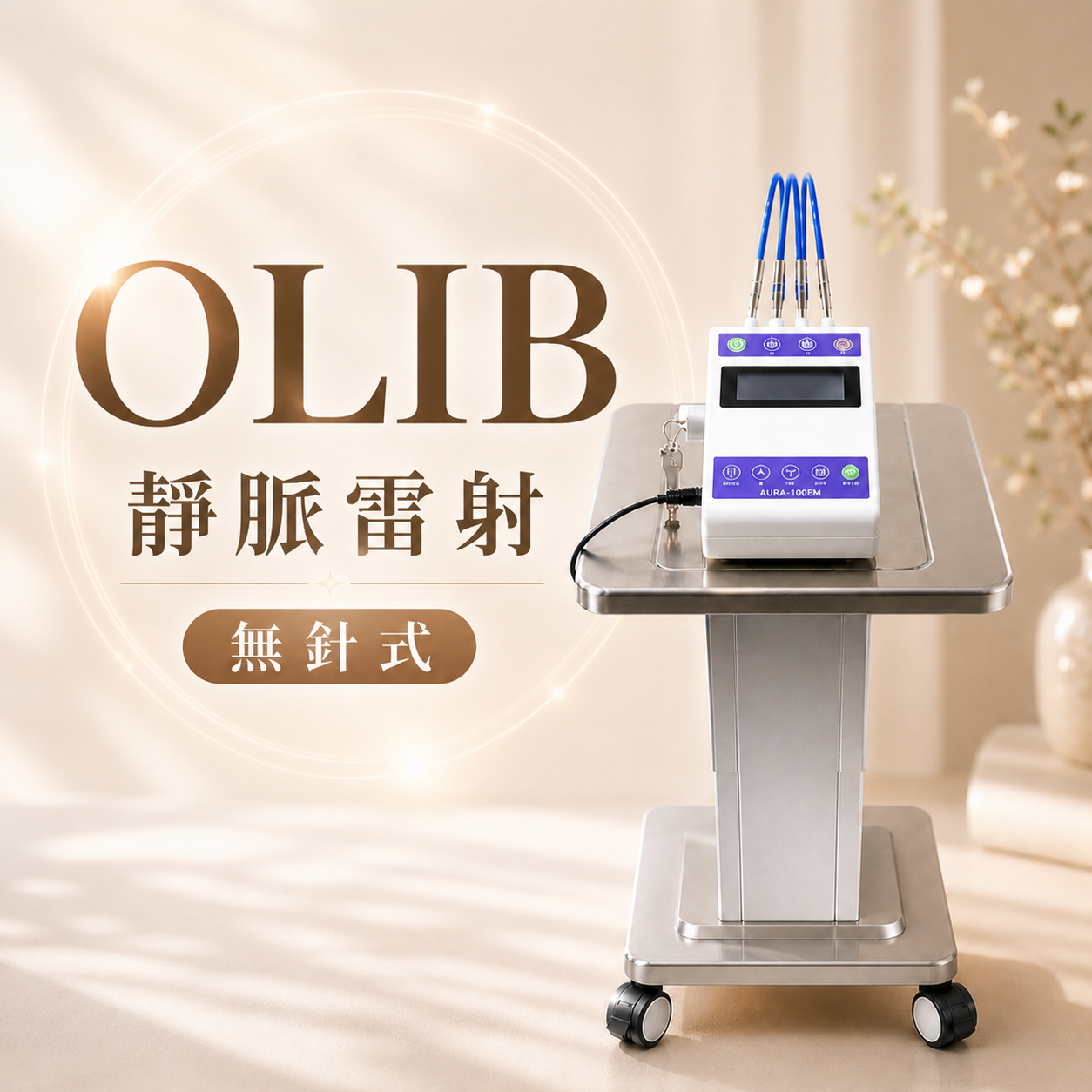
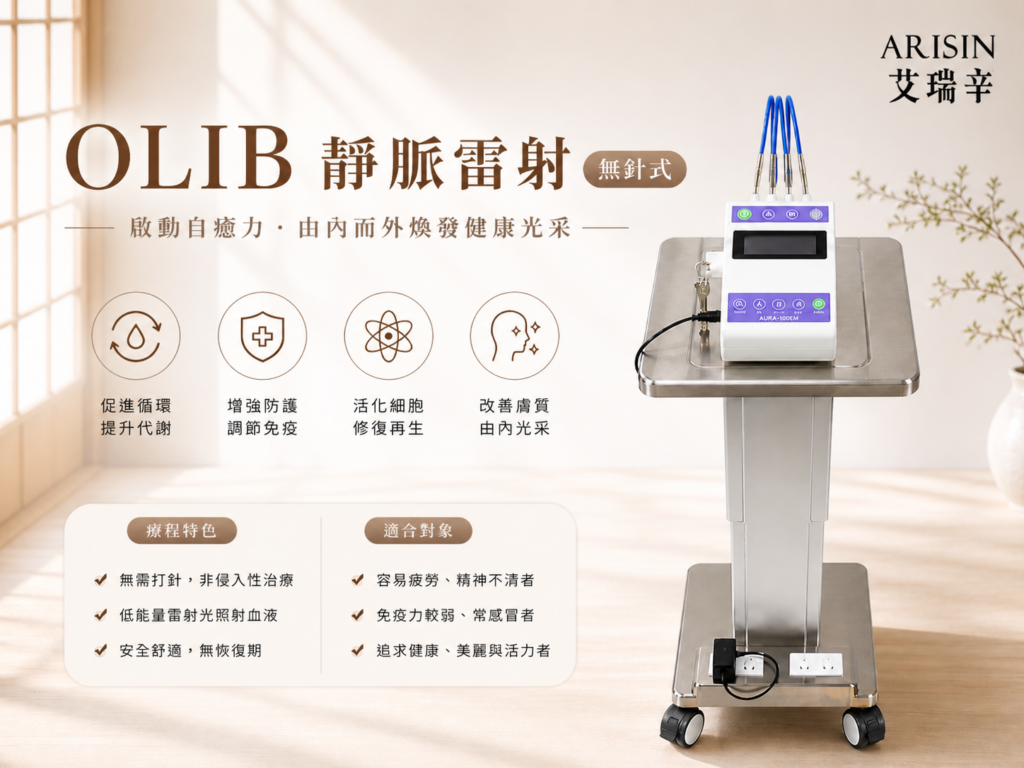
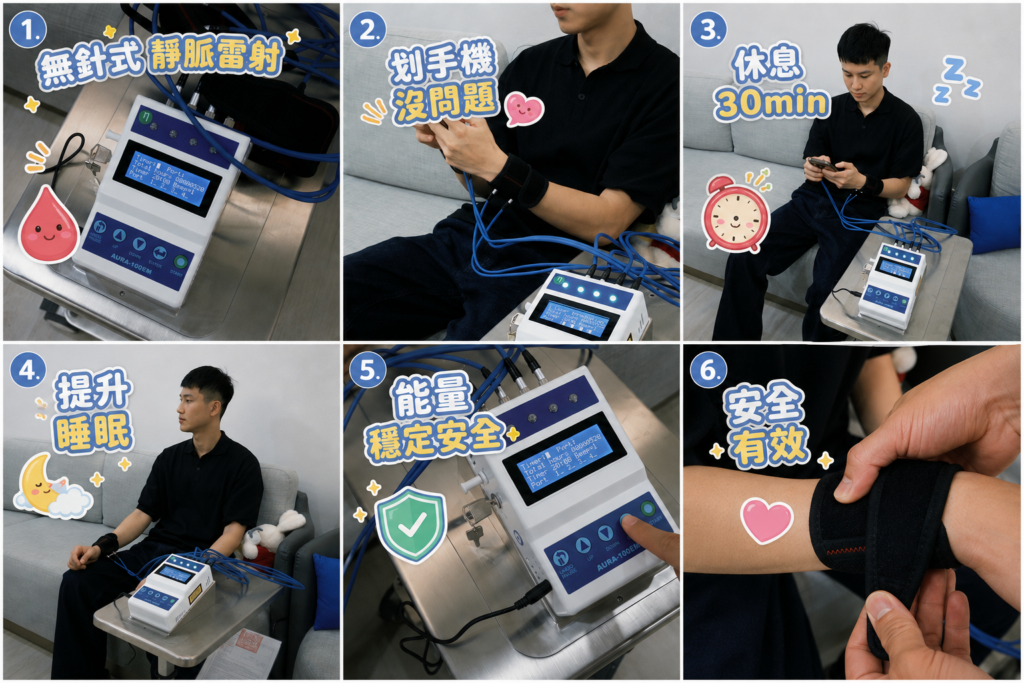
OLIB (On-venous Laser Irradiation of Blood), using the AURA-100E instrument, through low-energy red light laser, without the need for needles and tubes, the 635nm wavelength red light energy directly penetrates the skin, into the superficial veins, and initiates the photobiomodulation of blood. Photobiomodulation is activated to activate the functions of red blood cells, white blood cells and platelets. Each 30-minute treatment is equivalent to a deep sunbathing of the blood, which is a new-generation tool for modern preventive medicine, medical maintenance and rehabilitation assistance.
Needleless Intravenous Laser|Transdermal OLIB・No needles, no pain, blood purification・Blood "photosynthesis" activates cellular energy throughout the body.
Why do modern people need I.V.'s?
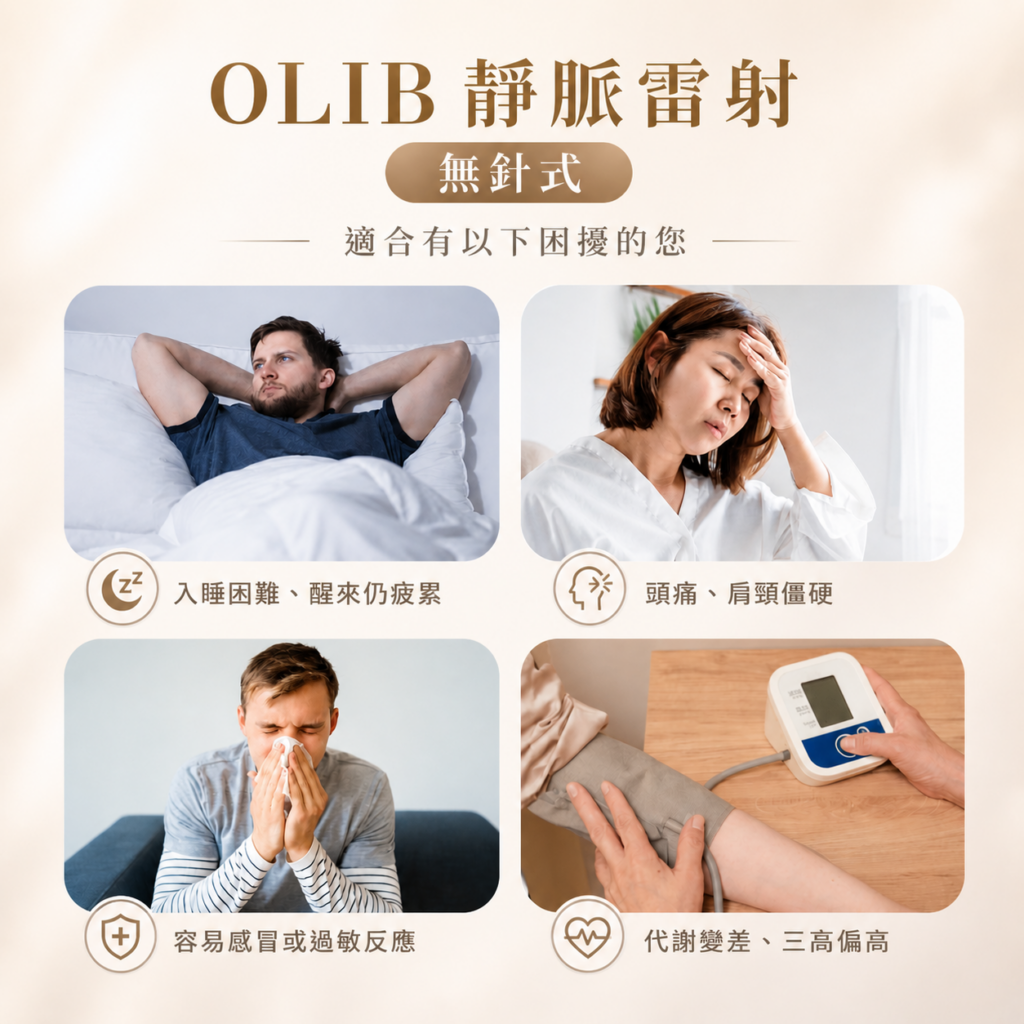
Modern people live in an environment where air and drinking water are polluted and full of radiation, coupled with poor living habits, emotional stress, and environmental stress, resulting in the blood being full of debris, which can lead to poor sleep, headaches, neck and shoulder pain, or neuropathy, myocardial infarction, and stroke.OLIB Intravitreal Laser is an advanced medical technology that utilizes low-energy laser light to guide into the bloodstream, removing waste products from the bloodstream to eliminate the waste products, prevent disease and improve the effect of chronic diseases.
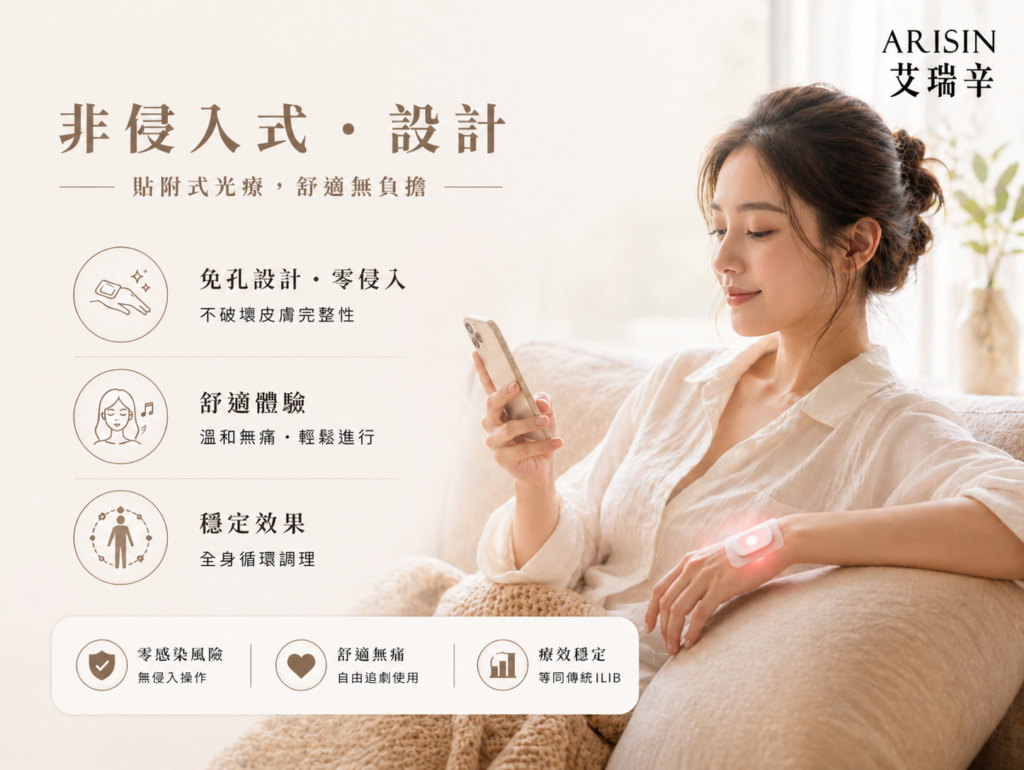
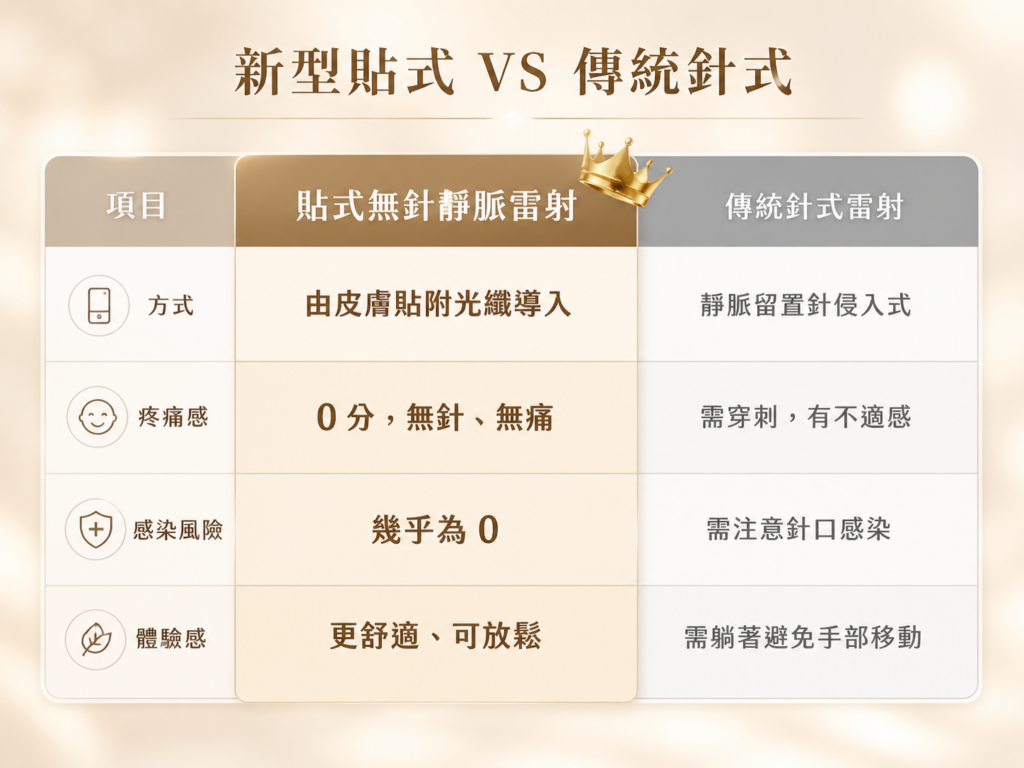
Conventional intravenous lasers (ILIB) require the insertion of a fiber-optic catheter directly into a vein. Although the treatment is direct, the pain and risk of infection associated with needle insertion often discourages patients from undergoing the procedure. The new OLIB adopts a non-invasive design, using a low-energy red laser fixed to the inner wrist or dorsum of the foot above the superficial veins, allowing the laser light to penetrate the skin and reach the blood vessels directly, achieving highly similar blood purification and circulatory effects as traditional veins, and at the same time completely eliminating the risk of infection from needle insertion, providing a much higher degree of comfort and acceptance of the treatment.
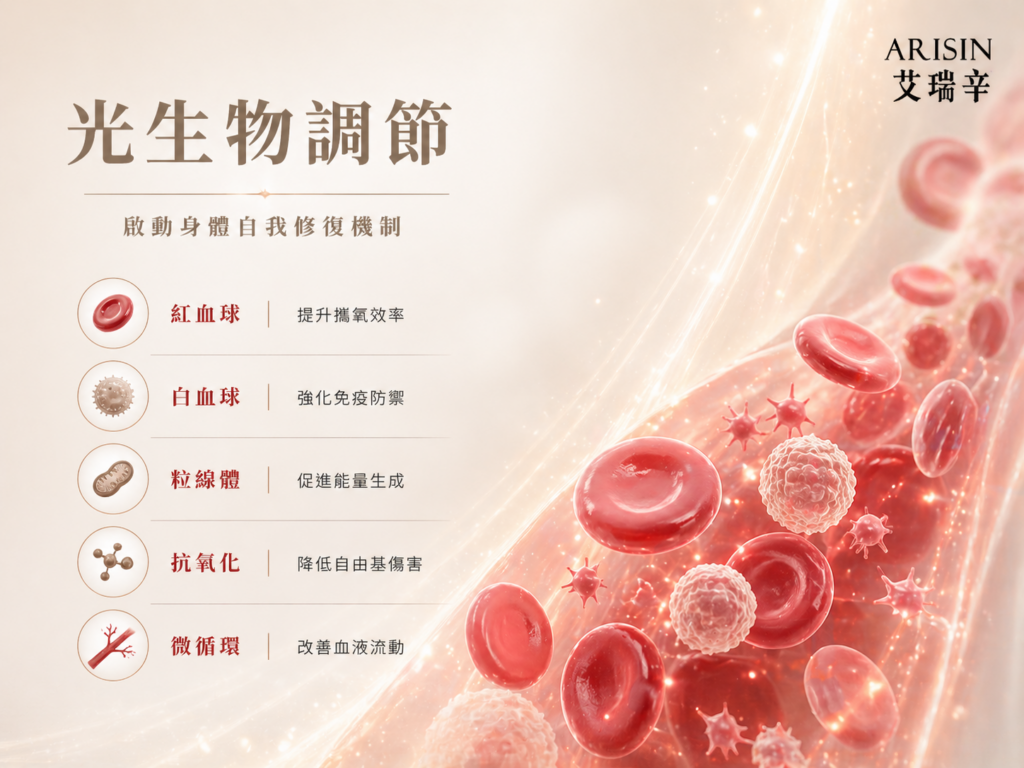
The principle of the treatment is "Photobiomodulation (PBM)" - after entering the bloodstream, the specific wavelength of low-energy red light binds with the photosensitive molecules in the granular mitochondria of the cells, promoting the generation of ATP (cellular energy), initiating the cellular self-repairing mechanism, and enhancing the antioxidant capacity, so that the whole body improves from the blood level from the inside out. The whole body is improved from the blood level from the inside out.
Core Technology Analysis
Photobiomodulation
Bio-laser, also known as Low Energy Bio-laser, Intravenous Laser Irradiation of Blood (ILIB), is a physical treatment that uses photons in the infrared to near-infrared (NIR) spectrum (600-1100 nm) to irradiate tissues, producing a photochemical effect that activates the blood cells and improves the function of blood cells and various cells in the bloodstream. The activation of blood cells improves the function of blood cells and various cells in the blood circulation, promotes metabolism, and scavenges free radicals.
After using optical fiber to introduce low energy laser into the bloodstream, the light energy will be converted into bioenergy, which will increase the oxygen-carrying capacity of red blood cells, enhance metabolism, and improve the function of white blood cells and other immune-related functions, which is a good effect, no matter it is used as a complementary therapy, formal medical treatment or health care and anti-aging preventive medicine.
After the treatment, sleep will be improved and other effects will appear slowly. The effect of low-intensity biochemical laser treatment is gentle and gradual, if the response after the treatment is not obvious, it means that your symptoms are more serious, and the effect will appear slowly with further treatments.
Non-invasive, pinless design
Zero risk of infection: No invasive operation, completely eliminating the problem of infection from needles.
Comfortable and painless: The whole process is gentle, like a quiet rest, and you can freely use your cell phone or tablet to catch up on the show.
Efficacy equivalent to traditional ILIB: Several studies have shown that by adjusting the duration and energy of treatment, OLIB can achieve clinical results similar to those of invasive vein lasers and can irradiate a larger area of blood vessels for a more comprehensive whole-body circulatory effect.
New Patch VS Traditional Needle
Instrument Specifications
Project
Description
Instrument Model
AURA-100-EM
Treatment
OLIB・No needle design
Laser wavelength
635nm (low energy red light)
Treatment Time
Single 30-minute session
Blood Circulation Rate
About 3-4 whole-body irradiation within 30 minutes.
invasive (e.g. disease or procedure)
None (no needles, no intubation)
tenderness
Painless
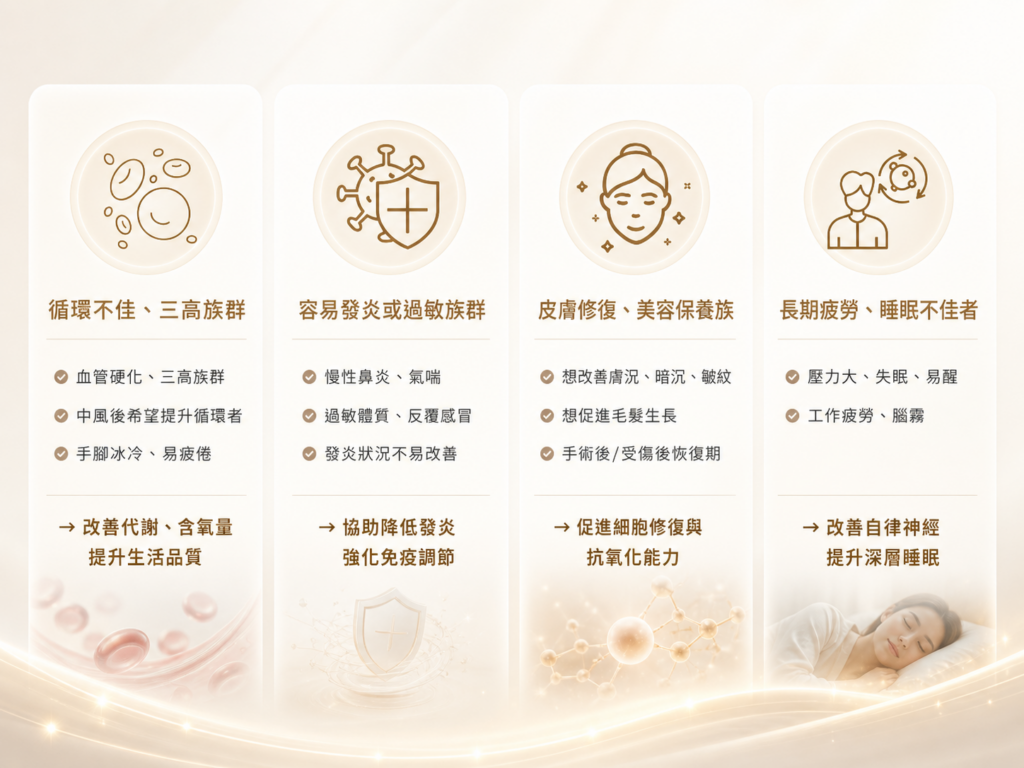
Suitable Groups
Commuters/High Stress Busy People: Chronic poor sleep quality, fatigue difficult to recover, poor mental health
immunocompromised people: Those who are susceptible to recurrent colds, have allergies, and need to adjust their immune system.
chronic patient: Complementary health care for patients with three high blood pressure, used in conjunction with regular medication.
Beauty and Anti-Aging Groups: For those who want to improve their complexion, lighten spots and slow down the aging process from the inside out.
Post-operative rehabilitation communityHair transplantation, laser surgery, and post-surgical recovery
Chronic Pain Community: Adjunctive relief for neuralgia, arthritis, myofascial pain
Infertility Support Groups: Individuals who are undergoing artificial reproduction treatment and wish to improve the endometrial environment
Long Term Care/Preventive Medicine GroupsNo obvious symptoms, seeking to maintain overall health and slow down aging.
Recommended Number of Treatments
Primary Treatment It is recommended that the program be based on three consecutive sessions, each consisting of 10 treatments of 30 minutes each, every day or every other day, with a break of 7-14 days between each session. Most people begin to feel improvement after 1-2 treatments.
Recommended frequency according to demand
Demand Type
Recommended Frequency
preventive health
2-4 times per year (one treatment each time, i.e. 10 sessions)
Chronic Disease Counseling
4-6 times per year
Symptomatic and intensified period
8-10 times per month (intensive treatment)
The actual number of sessions will be adjusted according to the individual's physical condition, age, and health status, as evaluated by the physician.
Precautions before treatment
Inform your doctor of your complete medical history, current medications and health food regimens
Drink 300-500cc of warm boiled water before treatment (avoid treatment on an empty stomach).
Please inform us in advance if you have any skin damage, infection or skin lesions at the treatment site.
If you are suffering from acute inflammation or fever, please wait until your symptoms have subsided before scheduling your treatment.
Post-treatment Notes
Replenish more than 500cc of plain water within 30 minutes after the treatment to promote metabolism.
Slight fatigue is normal and can be recovered after a short rest.
Avoid engaging in intense exercise immediately
Normal diet is allowed, if you feel hungry during the course of treatment, you can supplement with a small amount of food, but avoid excessive oil or satiety.
Contraindications (the following conditions are not suitable for the treatment)
pregnant women
diabetes
Malignant tumor (cancer) patients
Coagulation disorders
Allergy to phototherapy (photosensitivity)
Thyroid dysfunction
Persons with a history of epilepsy
Cardiac pacemakers.
Patients with acute illness, acute inflammation or fever
Serious blood pressure abnormalities
Sensory Nerve Abnormalities
Patients with infectious diseases (acute phase)
Patients with skin disorders or skin cancer (treatment site)
The contents of this page are for reference only. Intravenous laser is an adjunctive health treatment, not a treatment for disease, and is not a substitute for regular medical care. The actual results of the treatment may vary depending on the individual's physical condition and health status, and should be evaluated and communicated with by a physician in person.
OLIB Needleless I.V.Image movie
OLIB Needleless I.V.Effects and Indications
OLIB Needleless I.V.Description of the treatment process
Schedule a consultation with a physician to assess physical condition, indications and contraindications.
Confirmation of the treatment plan, explaining the precautions to be taken
Select the appropriate site (inside of the wrist) to fix the laser.
Start the 30-minute session and feel free to use your cell phone, catch up on your movies, or close your eyes and relax.
Recommended hydration during treatment to aid in metabolism
It is recommended to replenish more than 500cc of plain water within 30 minutes after the treatment.
Arrange the frequency of follow-up visits according to your needs and physical condition.
OLIB Needleless I.V.Recommended Treatments
Cosmetic Medicine Matching
Picosecond Laser / Shuttle Laser: Intravenous laser improves blood circulation after surgery, accelerates swelling and wound healing, shortens the recovery period, and makes the laser effect appear faster.
Sonic Lift/Electrolysis: Post-operation with I.V. laser helps to improve the speed of tissue repair after deep thermal stimulation.
Stretch Pin (Doublyx EVO)Vein laser activates cells from the whole body at the circulatory level, and elastin stimulates collagen renewal from the local dermis, anti-aging from the inside out.
Hair Transplant / Hair Growth
After Hair Transplant: Intravenous laser promotes blood circulation in the scalp, accelerating the survival of transplanted hair follicles and wound healing.
Hair Regrowth Treatment Aid: Improve scalp microcirculation, provide hair follicles with more adequate oxygen and nutrient supply.
Preventive Medicine
Highly Concentrated Vitamin C Drops / Nutritional Injections: Intravenous laser activates the oxygen-carrying and metabolic efficiency of red blood cells, allowing for more complete absorption and utilization of nutritional injections.
OLIB Needleless I.V.Case Photos
OLIB Needleless I.V.Frequently Asked Questions
Q1: What is the difference between OLIB and ILIB? Which one is better? The biggest difference lies in the way the needle is inserted. While traditional ILIB is considered standard practice in the early days as the fiber is inserted directly into the vein and the light reaches the bloodstream, OLIB is a needleless design that allows the laser light to penetrate the skin and enter the blood vessels without any risk of infection or pain. Studies have shown that by adjusting the duration and energy of treatment, OLIB can achieve similar clinical results to ILIB, and because it can irradiate a larger area of blood vessels, the overall circulation can be adjusted to a wider range of areas, making the treatment more acceptable.
Q2:Does it hurt during the treatment? What do you feel? Completely painless. No invasive procedures are required. Most of the patients feel gentle and comfortable during the treatment, and even go into a light sleep state without realizing it. You can use your cell phone or tablet to catch up on your favorite TV shows, which is very relaxing.
Q3: How many times can I feel the effect? Intravenous laser is a "gentle, gradual, cumulative" treatment and usually does not produce dramatic changes the first time. After completing 1-2 treatments (10-20 sessions), most people will experience improved sleep quality, mental and physical strength, and a better complexion. For those with more severe symptoms, patience is recommended to complete the full course of treatment, as the effects will appear gradually.
Q4: Can intravenous laser improve insomnia? It has a complementary effect. After entering the bloodstream, low-energy red light can indirectly act on the central nervous system, improve the activity of the parasympathetic nerves, stabilize the balance of the autonomic nervous system, effectively reduce anxiety and hypersomnia, and extend the time of deep sleep, which is suitable for patients with sleep disorders due to stress and dysautonomia as a complementary treatment.
Q5:Can pulsed lasers help whiten the skin? There are certain complementary effects. Laser light can activate the oxygen-carrying efficiency of red blood cells, promote cellular metabolism and renewal, improve dull and yellowish skin tone, and restore radiance from the inside out. However, it is worth noting that the main purpose of lasik is to "restore the skin's original healthy color", rather than actively whitening the skin; if the dullness of the skin is caused by a long-term poor circulation, aging metabolism is slow, the effect will be more obvious.
Q6:Can a patient with 3 high blood pressure have a vein laser? Intravenous laser can be used as an adjunctive treatment for patients with triple hypertension, and studies have shown that it can help lower LDL bad cholesterol, raise HDL good cholesterol, and assist in blood glucose control. However, IV laser is not a substitute for medication, and patients should continue to follow their primary care physician's medication instructions, use IV laser as an adjunct, and inform their physician of their current medication status prior to treatment.
Q7:What should I pay attention to after each session? After the treatment, it is recommended to replenish at least 500cc of plain water within 30 minutes to help the body's circulation and metabolism. Some patients may feel slightly tired after the first treatment, which is normal and can be recovered after a short rest. Avoid strenuous exercise immediately after the treatment.
Open your aesthetics
Schedule a consultation with a professional today and let us plan your own customized program to meet your ideal self Your needs deserve to be treated with care.